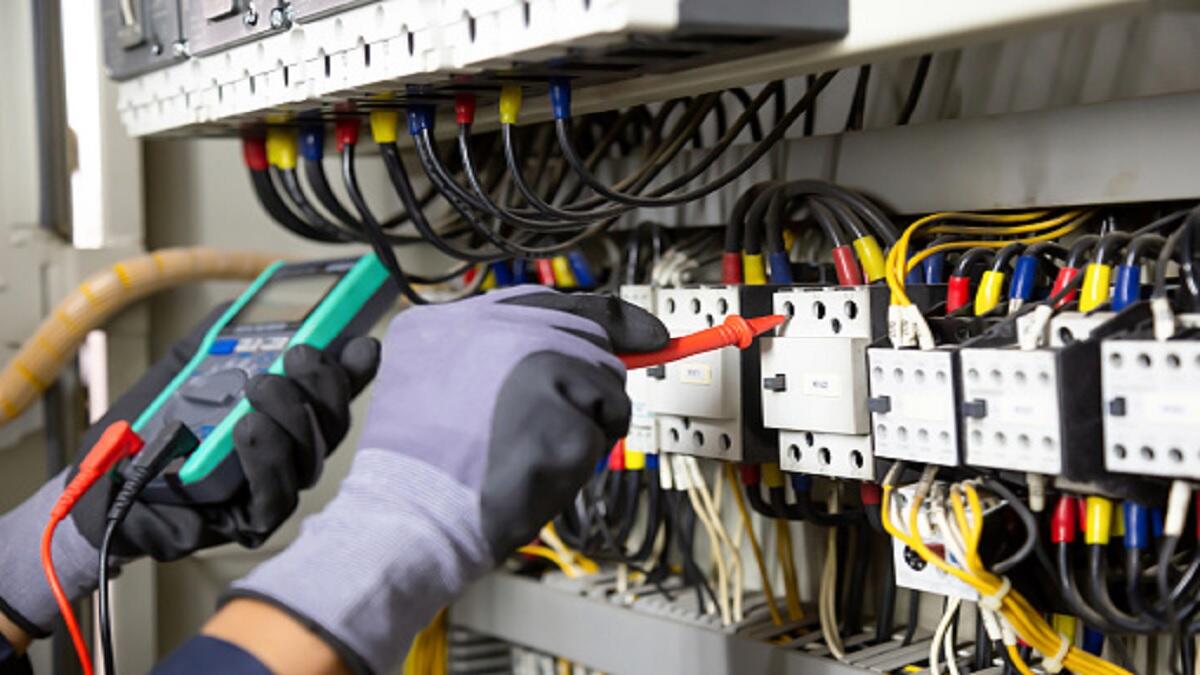
Electrical engineering is an engineering discipline concerned with the study, design, and application of equipment, devices, and systems which use electricity, electronics, and electromagnetism.
To pursue a career in electrical engineering, you would need to invest time and possibly money into learning the theory and practical components of electrical engineering prior to being allowed to go near circuits.
Getting into an electrical-based career requires a great deal of time and energy due to the fact that the work requires high levels of technical knowledge as well as the very important safety aspects of the job.
An apprenticeship is a training programme based on learning the skills required for a particular job.
Electrical engineering apprenticeships are an excellent way to learn all there is to know about the job, because you will receive support as well as being able to learn from people who are already working in the field through on-the-job training.
An engineering apprenticeship would tailored to the business you’ll be working in, so they won't all be the same. However, there are some common aspects to expect.
Engineering apprenticeships are available to new and existing employees, and can take between one and four years to complete the course depending on previous knowledge and experience.
The primary qualifications for getting an electrical engineering apprenticeship include being close to graduating (most likely from a tertiary institution) with an electrical engineering degree and having some experience; most companies will consider applicants both before and after graduation.
Many electrical engineering apprentices gain some industry experience through internships at electrical engineering firms or other companies that have electrical engineers on staff.
Employers do not expect you to have professional experience before applying for this job; apprenticeships are long-term entry-level roles designed to build your skills, and having too much experience might disqualify you from this role.
An apprenticeship in electrical engineering can also allow you to meet people in the industry and build connections with professionals.
As an electrical engineering apprentice, you may assemble electronics, build and install equipment, repair damaged equipment, and assist senior electrical engineers with their projects.
An apprenticeship will generally consist of the following components:
- A minimum of 30 hours per week paid employment;
- A knowledge based element;
- A competency based element;
- Transferable or functional skills;
- A module on employment rights and responsibilities
Doing an electrician apprenticeship will give you an upper-hand over graduates who chose not to do an apprenticeship.
Many companies will look at you as someone that received training if you complete an apprenticeship, which means that you will have a better chance of getting hired and paid for your skill set.
Apprenticeships usually last for several years and typically include a structured program designed to teach specific skills in a particular order. Once you have completed the apprenticeship, promotion to the next level is usually automatic, although companies may put you through a final test first.